Nam Dok Mai
Silky flesh with rich spiced-honey notes and zero need to show off.
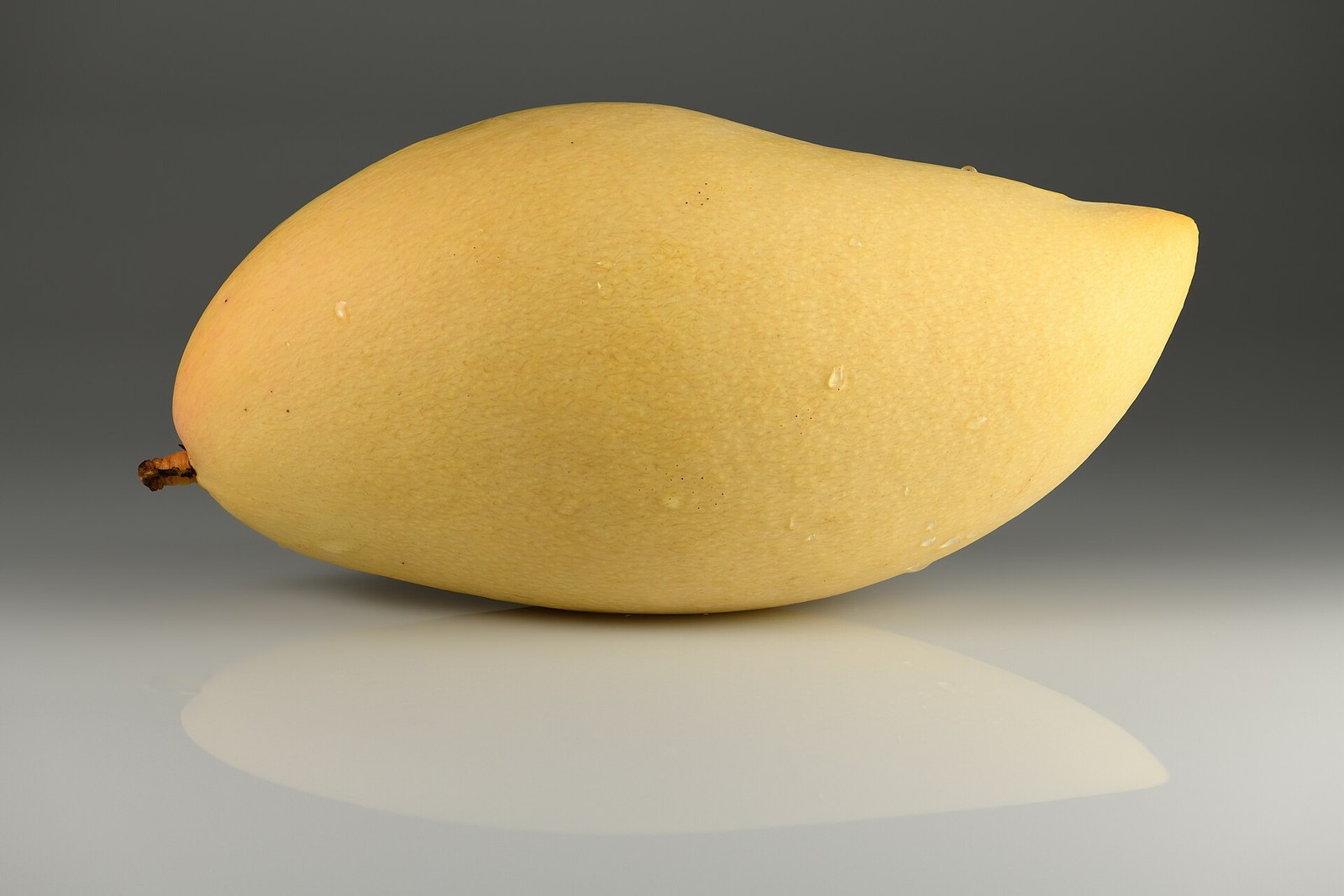
A Nam Dok Mai mango grown in Thailand, photographed by Ivar Leidus. This is a focus stack of 12 photographs.
Mango fruit Nam Dok Mai.jpg — Ivar Leidus. Photograph source · CC BY-SA 4.0.

Resized for display; complete frame retained. No generative edits.
How it tastes
Honey · Floral · Silky
- Texture
- buttery
- Fibre
- Low fibre
- Eating styles
- Bring a spoon
- Harvest
- See regional calendars
How to enjoy it
Nam Dok Mai’s long shape gives way to silky, sweet flesh. It is a natural companion to coconut sticky rice: the rice brings chew, the coconut brings richness, and the mango brings fragrance and freshness.
Lay ripe slices beside coconut sticky rice. Keep the mango fresh and uncooked.
When it is ripe
Yellow skin and a fragrant stem end mean it is ready; slice it cold.
Flavour notes are subjective. Ripeness, handling and growing conditions change the fruit.
Compare this mango · Saved mangoes
Names, history & sources
Recorded names
A shared name does not by itself establish an identical cultivar. Place, language and source matter.
- Nam Dok Mai
- Nam Dok Mai / Nam Doc Mai
Different English spellings of the Thai name.
- น้ำดอกไม้
Thai · Thailand
Thai spelling, commonly translated as flower nectar.
- Si Thong
A named golden selection; not a synonym for every Nam Dok Mai tree.
- Nam Doc Mai
Existing catalogue label. It may be an alternate name, translation or market nickname; it is not an assertion of genetic identity.
- Golden flower
Existing catalogue label. It may be an alternate name, translation or market nickname; it is not an assertion of genetic identity.
A name that smells of flowers
Documented name: the history of the first tree remains unresolved.
Nam Dok Mai is commonly rendered as “flower nectar.” It is a wonderfully close description of the impression this fragrant mango leaves, and a reminder that local names can contain a whole tasting note before the first bite.
Thai growers distinguish selections within the name, including No. 4 and Si Thong. The familiar pairing with coconut sticky rice is part of its cultural life. The sources establish the Thai name and the fruit’s place at the table; they do not identify a single discoverer or a first mother tree.
Read the full storyPlaces in this record
Country associations alone do not establish botanical origin.
- Thailand
Catalogue association
Associated place in the tasting catalogue; this does not establish botanical origin.
- Thailand
A place in the story
Setting of “A name that smells of flowers”. Read the story for its evidence and qualifications.
Harvest calendars by growing place. These regional calendars do not specify this cultivar’s exact season.