Manga Rosa
Floral, tart-sweet, and wonderfully fragrant, with fibers that demand commitment.
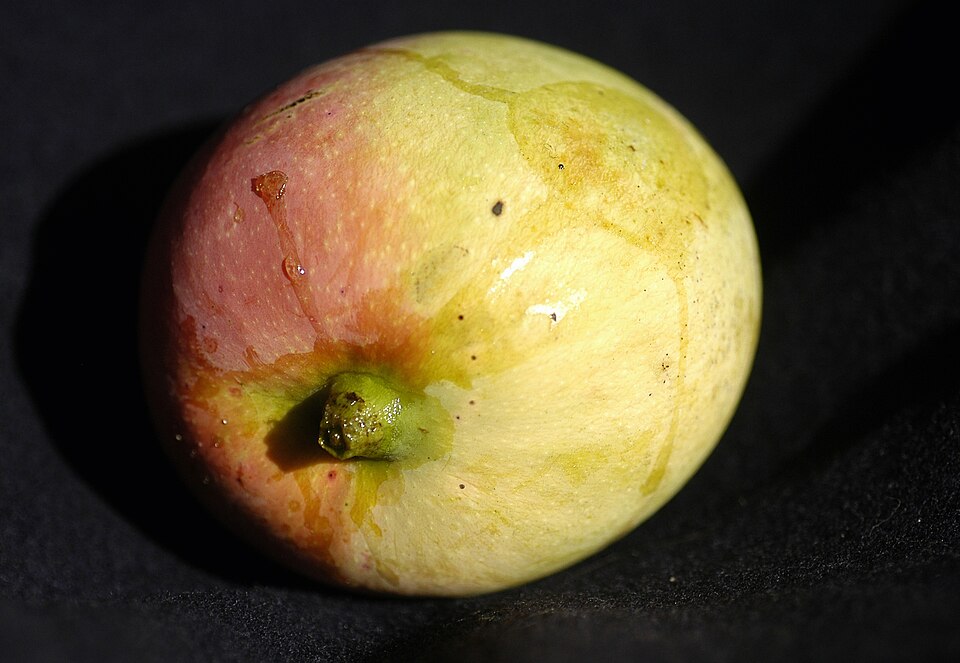
A Rosa mango photographed by CostaPPPR. Individual fruit and maturity vary.
MangaRosaDSC4452.jpg — CostaPPPR. Photograph source · CC BY-SA 4.0.

Resized for display; complete frame retained. No generative edits.
How it tastes
juicy · Fibrous
- Texture
- juicy
- Fibre
- Fibrous
- Eating styles
- Get sticky
- Harvest
- See regional calendars
How to enjoy it
Brazil’s Manga Rosa brings a floral, tart-sweet flavour and a more fibrous texture. Eat it over a bowl, or strain the pulp when you want a smoother drink.
Open over a bowl to catch the juice. Scoop the ripe flesh; strain blended pulp if you prefer less fibre.
When it is ripe
Wait for the rosy yellow skin to soften and release its floral scent.
Flavour notes are subjective. Ripeness, handling and growing conditions change the fruit.
Compare this mango · Saved mangoes
Names, history & sources
Recorded names
A shared name does not by itself establish an identical cultivar. Place, language and source matter.
- Manga Rosa
- Manga Rosa / Rosa
Brazilian name used for a variable set of local accessions; manga means mango.
- Rosa
Existing catalogue label. It may be an alternate name, translation or market nickname; it is not an assertion of genetic identity.
Many trees under one rosy name
Documented history: consult the claims and qualifications in the cited sources.
Manga Rosa is a long-established Brazilian name, and the research record reveals more than one uniform tree behind it. Embrapa has studied a collection of 26 Rosa accessions, comparing their differences rather than assuming every mango with the name is identical.
In Teresina, Embrapa’s work on productive Rosa selections began in 1999. That gives this story a present tense: growers and researchers are still choosing within a familiar local fruit. The sources used here do not identify a single first tree or prove who first chose the name.
Read the full storyPlaces in this record
Country associations alone do not establish botanical origin.
- Brazil
Catalogue association
Associated place in the tasting catalogue; this does not establish botanical origin.
- Brazil, especially northeastern growing regions
A place in the story
Setting of “Many trees under one rosy name”. Read the story for its evidence and qualifications.
Harvest calendars by growing place. These regional calendars do not specify this cultivar’s exact season.